
The Evolution of Mobile Payment Systems and Fintech Apps: From Novelty to Necessity
Remember the sound? That satisfying ka-chunk of a credit card imprinter, the rustle of paper receipts, the jingle of coins in your pocket. Honestly, it feels like a lifetime ago. Today, paying for something is often as simple as a tap, a glance, or a quiet hum from a smartphone. But how did we get here? The journey of mobile payments and fintech apps is a story of quiet revolution—one that’s reshaped not just our wallets, but our entire relationship with money.
The Humble Beginnings: SMS and the First Wave
Let’s rewind. The first real foray into mobile payments wasn’t an app at all. It was text messaging. In the early 2000s, you could buy a ringtone or donate to charity by sending a premium SMS. Clunky? Sure. Limited? Absolutely. But it planted a crucial seed: the idea that your phone could be a transactional device.
This era was defined by carrier billing. The payment just showed up on your phone bill. It was convenient for tiny digital purchases, but that was its ceiling. The experience was fragmented, not exactly secure, and light-years away from replacing your physical wallet. The infrastructure—you know, the real backbone—wasn’t there yet.
The Smartphone Catalyst and the App Explosion
Then, everything changed. The launch of the iPhone in 2007 and the subsequent App Store created a perfect storm. Suddenly, developers had a powerful, connected canvas. Early fintech apps focused on basic budgeting and aggregating bank accounts—giving users a clearer financial picture for the first time without logging into three different websites.
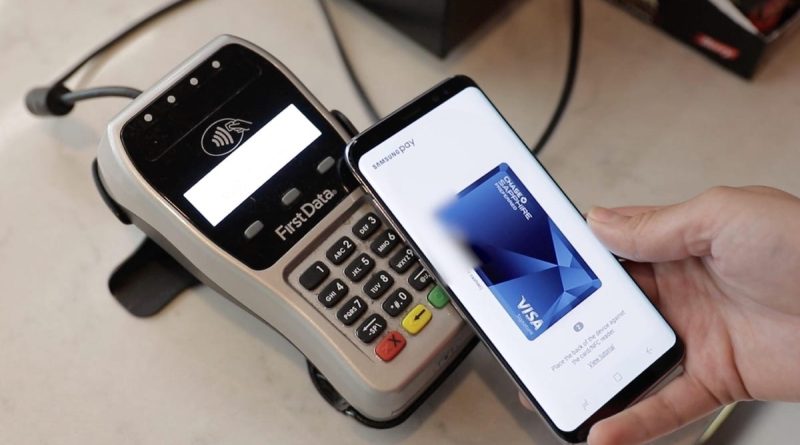
But the real game-changer for mobile payment systems was the addition of hardware: NFC (Near Field Communication) chips. This allowed your phone to communicate with a payment terminal by simply tapping. Apple Pay (2014), followed quickly by Google Pay and Samsung Pay, didn’t just digitize your card. They made it more secure by using tokenization—replacing your card number with a unique, one-time code.
The trust factor skyrocketed. And the floodgates opened.
Super Apps and the Blurring of Lines
While the West was perfecting the “tap-to-pay” model, a different, more holistic model emerged in Asia: the Super App. Think WeChat in China or Grab in Southeast Asia. These platforms started as messaging or ride-hailing services and evolved into entire financial ecosystems.
Inside one app, you could chat with friends, hail a cab, order food, pay bills, invest spare change, and even take out a microloan. This wasn’t just a payment tool; it was a financial lifestyle hub. It showed the world that fintech’s future wasn’t in isolated apps, but in integrated, contextual experiences. Paying became a seamless part of doing, not a separate chore.
Key Drivers That Fueled the Fintech Fire
So what fueled this breakneck evolution? A few critical ingredients came together, honestly like a recipe for disruption.
- Consumer Demand for Convenience: This is the big one. Carrying less, lining up faster, managing money on-the-go. The pain point of friction was, and is, a massive motivator.
- Advancements in Security: Biometrics (fingerprint and facial recognition), end-to-end encryption, and that tokenization we mentioned. These technologies made digital money feel safer than a leather wallet full of cash.
- The Rise of Open Banking: Regulatory shifts forced big banks to open up their data (with customer permission). This allowed fintech apps to securely access financial information, enabling smarter budgeting, easier account switching, and personalized financial products.
- Pandemic Acceleration: COVID-19 acted as a turbocharger. Contactless went from a nice-to-have to a public health imperative. Adoption curves that were predicted to take years happened in months.
The Current Landscape: More Than Just Payments
Today, the space is incredibly diverse. It’s no longer just about replacing a card swipe. The modern fintech app landscape is a spectrum of specialized solutions. Here’s a quick, non-exhaustive breakdown:
| Category | Primary Focus | Examples (Trending) |
| Neobanks | Banking without branches: checking, savings, debit cards, all app-first. | Chime, Revolut, N26 |
| BNPL (Buy Now, Pay Later) | Point-of-sale installment loans, splitting costs. | Klarna, Afterpay, Affirm |
| Investment & Wealth | Democratizing investing with micro-shares, robo-advising. | Robinhood, Acorns, Betterment |
| Peer-to-Peer (P2P) Payments | Sending money instantly to friends, family, or vendors. | Venmo, Cash App, Zelle |
| Cryptocurrency Wallets | Buying, storing, and spending digital assets. | Coinbase, MetaMask |
And the lines keep blurring. Your P2P app (like Cash App) now offers stock trading. Your neobank offers cryptocurrency access. The goal is clear: become the single, primary financial interface for the user.
Friction Points and the Next Frontier
It’s not all seamless, of course. Fragmentation remains a headache. Which app does this store accept? Is my friend on Venmo or PayPal? There’s also the issue of digital exclusion—not everyone has the latest smartphone or reliable data.
That said, the evolution continues. Here’s what’s bubbling up on the horizon:
- Biometric & Wearable Payments: Paying with your fingerprint, your face, or even your smartwatch or ring. The device becomes irrelevant; you are the payment instrument.
- Voice-Activated Commerce: “Alexa, order more coffee and pay with my default card.” It’s happening now, and will only get smoother.
- Embedded Finance: This is the big one. Financial services woven into non-financial platforms. Buying a car from a manufacturer’s website and getting the loan right there, in the flow. Or booking a trip and adding travel insurance at checkout without ever leaving the app. The financial transaction disappears into the background of the experience.
- Central Bank Digital Currencies (CBDCs): Governments are exploring their own digital currencies. This could redefine the very foundation of what a mobile payment is.
A Final Thought: The Invisible Future
The evolution of mobile payments tells a broader story about technology itself. It starts as a visible novelty (the clunky SMS payment), becomes a useful tool (the tap-to-pay app), and, if it’s truly successful, evolves into an invisible utility. We don’t marvel at the electricity powering our lights; we just flip the switch.
That’s the destination for fintech. The end goal isn’t a world of dazzling payment apps we constantly admire. It’s a world where the movement of money—paying, saving, investing, borrowing—fades gracefully into the fabric of our daily lives. Effortless, contextual, and almost… quiet. The ka-chunk is gone, replaced by the soft, almost imperceptible sigh of friction disappearing.