
Decentralized Identity for IoT Device Security: A Smarter Way to Trust Machines
Picture a warehouse full of smart sensors. Hundreds of them. Each one pinging data back and forth — temperature readings, motion alerts, inventory counts. Now imagine one of those sensors gets cloned by an attacker. It looks legit. It talks like the others. And nobody notices until it’s already leaked sensitive data. That’s the quiet nightmare of IoT security today.
Here’s the deal: most IoT devices still rely on centralized identity systems — a single server or certificate authority that says, “Yep, this device is who it claims to be.” That works… until it doesn’t. One breach, one compromised authority, and the whole trust chain collapses like a house of cards.
Decentralized identity flips that model on its head. Instead of one gatekeeper, trust gets distributed across a network. And for IoT, that changes everything.
What Exactly Is Decentralized Identity?
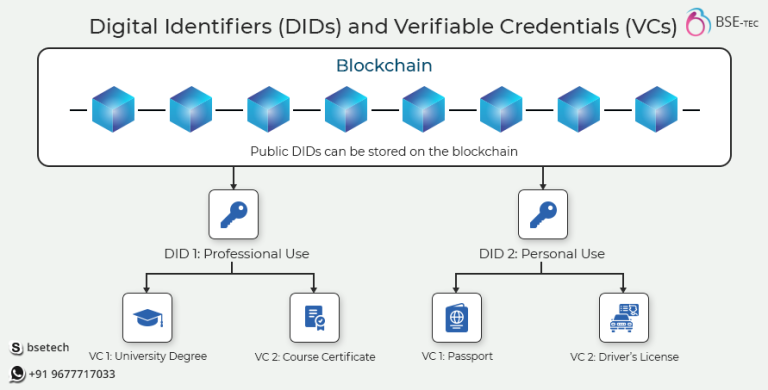
Let’s break it down without the jargon overload. Decentralized identity (often called DID, or decentralized identifiers) is a way for a device — or a person — to prove who it is without asking a central authority for permission.
Think of it like a passport that verifies itself. No embassy needed. No clerk stamping it. The passport carries its own cryptographic proof, and anyone can check it against a public ledger or distributed network.
For IoT, this means each device gets its own unique, self-sovereign identity. It can authenticate with other devices, gateways, or cloud services directly — peer to peer — without a middleman that could be hacked or go offline.
Why Centralized IoT Identity Is a Ticking Time Bomb
Honestly, the current setup is fragile. Here’s why:
- Single point of failure: If the certificate authority goes down, thousands — sometimes millions — of devices lose their identity verification.
- Scalability headaches: Managing certificates for billions of devices is a logistical monster.
- Trust bottlenecks: Every new device has to be registered, approved, and tracked by a central system. Slow and expensive.
- Lateral movement: Once an attacker compromises the central server, they can impersonate any device on the network.
And the stakes keep rising. By 2025, there were an estimated 75 billion IoT devices worldwide. That’s a lot of identities to manage — and a lot of doors for attackers to try.
How Decentralized Identity Fixes the Trust Problem
Okay, so what does decentralized identity actually do differently? A few key things:
1. Self-Sovereign Device Identities
Each device holds its own private key and a decentralized identifier. It doesn’t need to phone home to prove it’s legitimate. It just presents its credentials, and the other party verifies them cryptographically.
2. Blockchain or Distributed Ledger Anchoring
DIDs are often anchored on a blockchain or distributed ledger. That ledger acts as a tamper-proof registry. No single company or server controls it. If someone tries to fake a device identity, the ledger exposes the inconsistency.
3. Verifiable Credentials
Instead of a single certificate, devices can carry verifiable credentials — digital proofs about their firmware version, manufacturer, location, or access rights. These credentials can be checked without contacting the issuer every time. That’s huge for low-power IoT devices that can’t afford constant network calls.
4. Zero Trust, Built In
Decentralized identity naturally supports zero-trust architecture. Every interaction requires verification. No device is trusted by default — not even ones inside the network perimeter. That’s a big shift from the old “castle and moat” mentality.
Real-World Use Cases You Can Actually Picture
This isn’t just theoretical. Decentralized identity for IoT is already showing up in some interesting places.
| Industry | How Decentralized Identity Helps |
|---|---|
| Smart Manufacturing | Machines authenticate each other on the factory floor without a central server. If one robot gets compromised, others can still verify and isolate it. |
| Healthcare | Medical wearables prove their identity before sending patient data. Prevents spoofed devices from injecting false readings. |
| Supply Chain | Shipping sensors carry verifiable credentials about origin, temperature history, and handling. No single company controls the truth. |
| Smart Cities | Traffic cameras, streetlights, and environmental sensors authenticate peer-to-peer. Reduces attack surface for city-wide networks. |
Sure, adoption is still early. But the momentum is real — especially as regulators start pushing for stronger IoT security standards.
The Challenges (Because Nothing’s Perfect)
Let’s not pretend this is a magic bullet. Decentralized identity for IoT has hurdles:
- Computational overhead: Some IoT devices are tiny — think coin-sized sensors with limited processing power. Running cryptographic verification can be tough.
- Key management: If a device’s private key gets stolen, the identity is compromised. Secure hardware modules help, but they add cost.
- Interoperability: Different DID standards exist. Getting them to play nicely together is still a work in progress.
- Network dependency: Some decentralized systems need ledger access. In remote or offline environments, that’s a problem.
That said, these are solvable. Lightweight cryptography, edge caching, and hybrid models are already emerging. The industry is iterating fast.
Why This Matters More Than Ever
IoT attacks are not some distant threat. They’re happening now. Botnets made of compromised cameras and routers have taken down major websites. Smart locks have been hacked. Insulin pumps have been theoretically manipulated.
The common thread? Weak or centralized identity. When devices can’t prove who they are independently, attackers slip in through the cracks.
Decentralized identity doesn’t just patch a vulnerability. It rethinks the foundation. It says: trust shouldn’t be rented from a single landlord. It should be owned, verified, and distributed.
What to Watch Next
Keep an eye on a few trends:
- DID standards from W3C gaining traction in enterprise IoT.
- Hardware-backed identity modules becoming cheaper and smaller.
- Regulatory pressure — like the EU Cyber Resilience Act — pushing manufacturers toward decentralized models.
- Hybrid architectures that blend decentralized identity with traditional PKI for smoother transitions.
The shift won’t happen overnight. But it’s happening. And for anyone building or securing IoT systems, understanding decentralized identity isn’t optional anymore. It’s becoming table stakes.
In a world where billions of devices whisper to each other every second, the question isn’t whether we can trust them. It’s whether they can trust each other. Decentralized identity gives them a way to do exactly that — no middleman required.