
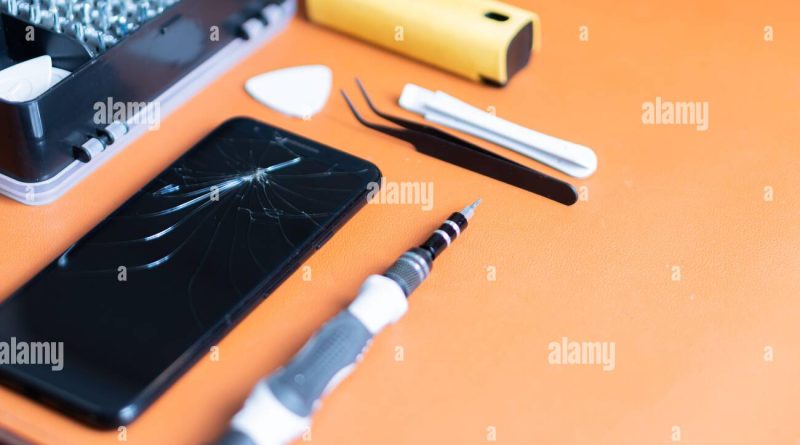
Sustainable and Repairable Smartphone Consumer Guides: Your Path to a Longer-Lasting Phone
Let’s be honest. That new phone feeling is intoxicating. But it fades fast, doesn’t it? Often replaced by a slow-burning dread when the battery starts to die by lunchtime, or a hairline crack spiders across the screen. Our instinct? To browse, compare, and buy anew. But what if there was a better way—a path that saves you money, reduces e-waste, and frankly, feels more empowering?
That’s where the world of sustainable and repairable smartphones comes in. It’s not about sacrificing performance for principle. It’s about smart, conscious consumption. This guide is your roadmap to finding a phone you can keep longer, fix easier, and feel better about.
Why “Right to Repair” is Your Right to Save Money
At its heart, the sustainable phone movement is tied to “Right to Repair.” Think of it like owning a car. You can take it to the dealer, sure, but you can also go to your local mechanic or even fix it yourself. For years, many smartphones were more like sealed black boxes—discouraging, or even blocking, that kind of access.
The tide is turning, thankfully. Legislation is pushing for it, and consumer demand is growing. Choosing a repairable phone means you’re voting for a product designed to last. The benefits are crystal clear:
- Cost Savings: A battery replacement costs a fraction of a new phone. Same for a screen swap.
- Environmental Impact: Manufacturing a new phone is the most carbon-intensive part of its life. Extending its use is the single greenest choice.
- Personal Empowerment: There’s a real satisfaction in fixing something yourself, or knowing a local shop can do it quickly and affordably.
What to Look For: The Repairability Checklist
Okay, so you’re convinced. But how do you spot a truly repairable phone in the wild? It’s not always in the glossy ads. Here are the key features to scrutinize—your personal consumer guide checklist.
1. The Back Cover: To Glue or Not to Glue?
This is the biggest tell. A phone sealed with industrial adhesive is a nightmare to open without specialized tools and heat. What you want is a phone with a back cover that’s either:
- Removable with screws: The gold standard. It’s secure but serviceable.
- Secured with common clips: Still good, though it might require a plastic pry tool to open safely.
If the marketing materials or teardown reviews talk about “easy access” or “modular design,” that’s a great sign.
2. Modular & Standardized Components
In a perfect world, you could pop out a failing camera module and slot in a new one. We’re not quite there universally, but some brands design with this in mind. More importantly, look for standard parts. A common screw type (like Phillips #00) is a small but huge detail. Proprietary pentalobe screws? That’s a deliberate barrier.
3. Battery Replacement Ease
The battery is the number one wear-out part. It should be:
- Not buried under other components: Ideally, it’s the first thing you see when you open the phone.
- Connected with a simple pull-tab or connector: Not soldered in or hidden under a glued-down board.
4. Official Support & Parts Availability
What good is a repairable design if you can’t get the parts? Before buying, check the manufacturer’s website. Do they sell official repair parts and tools directly to consumers? Do they provide detailed, free repair manuals? This commitment is a core part of the sustainability promise.
Spotlight: Brands Walking the Talk (And Ones to Watch)
Let’s get specific. The landscape is evolving, but a few players are leading the charge in sustainable smartphone design.
| Brand / Initiative | Key Sustainable Feature | Consideration |
| Fairphone | Modular design, ethical sourcing, long software support (5+ years), easy self-repairs. | The poster child. Focus is on ethics & longevity over bleeding-edge specs. |
| Framework Laptop (Expanding to Phone?) | Fully modular, upgradeable components in a sleek, mainstream design. | Their smartphone project is highly anticipated. Watch this space. |
| Google Pixel (Recent Models) | Improved repairability scores, official repair manuals & parts sales. | A major OEM making significant strides, which pressures the whole industry. |
| Apple (Select Models) | Self Service Repair program for some iPhones, using genuine parts. | Program exists but is often criticized for complexity and high part costs. |
| Refurbished Programs (All Brands) | Giving a high-quality used phone a second life. Often comes with a warranty. | Perhaps the most impactful choice right now. Look for certified refurbishers. |
Don’t just take the brand’s word for it, though. Independent sites like iFixit provide teardown guides and repairability scores—they’re an invaluable resource for your pre-purchase research.
Beyond the Purchase: Habits for a Longer Phone Life
Choosing a repairable phone is a fantastic first step. But sustainability is also about how you use it. Here’s how to be a better partner to your device.
- Protect It, But Wisely: A good case and screen protector are non-negotiable. But choose durable ones you can remove without damage when it’s time for a repair.
- Battery Mindfulness: Avoid constantly draining to 0% or charging to 100%. Modern batteries like to hover between 20% and 80%. It’s a small habit with a big impact on longevity.
- Software is Key: A phone that no longer gets security updates is a risk. Prioritize brands committed to at least 4-5 years of software support. This extends the safe life of your hardware.
- Consider Repair First: Screen cracked? Battery swelling? Don’t auto-pilot to an upgrade. Get a quote. You might be shocked at how affordable a repair can be, especially if you’ve chosen a repairable model.
The Bigger Picture: It’s Not Just About You
When you choose to repair, or buy a phone designed to be repaired, you’re doing more than saving a few bucks. You’re pulling a thread that unravels the whole “take-make-dispose” model. You’re reducing the demand for the mining of rare earth metals. You’re keeping toxic components out of landfills. And you’re supporting a growing ecosystem of local repair shops—real people with real skills.
It’s a shift in perspective. From seeing a phone as a disposable fashion item to viewing it as a durable tool, one worthy of maintenance and care. Sure, it might not have the razor-thin bezels of the latest flagship. But it has something better: character, and a future.
The most sustainable phone, in the end, is the one already in your pocket. But when it’s finally time to move on, you now have the guide to choose a companion for the long haul. That’s a powerful feeling.